Loading...
Serving Morgan Hill, CA and surrounding areas. (669) 766-0094
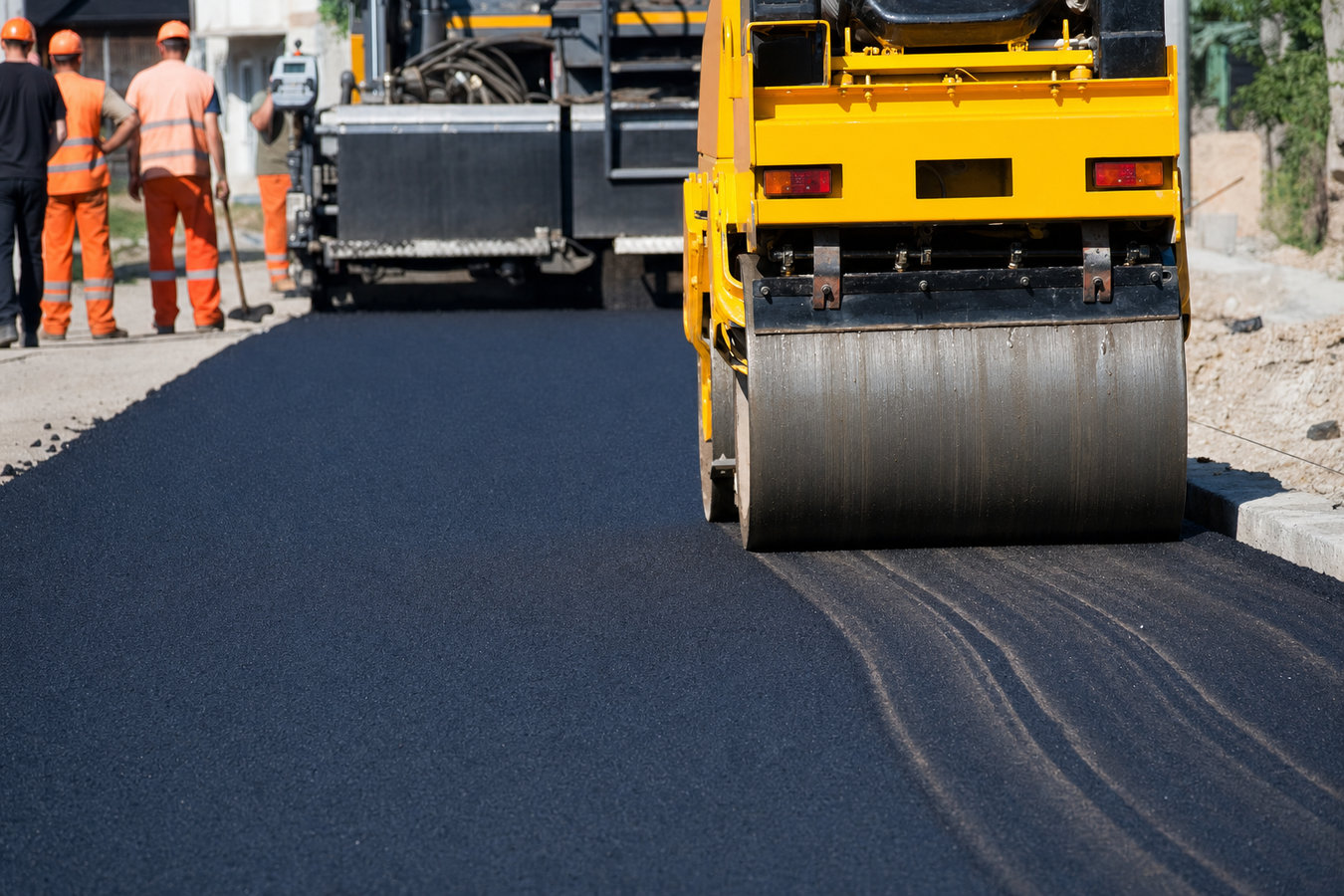
Any paved surface is only as good as the ground beneath it. We shape, excavate, and compact a solid base so your driveway or parking area drains right and stays stable through Morgan Hill winters.
Grading and excavation in Morgan Hill means reshaping the ground to the right slope and depth before any pavement goes down - a crew excavates to remove unstable material, compacts the subgrade, and brings the surface to a grade that sheds water correctly, with most residential jobs completed in one to two days.
Even the best asphalt will crack, sink, or shift if the ground underneath it was not shaped and compacted properly. Skipping or rushing this step is the single most common reason a new driveway or parking area fails within a few years. In Morgan Hill, where the valley floor sits on clay soils that move with every wet-dry cycle, getting the base right the first time is even more important than it might be elsewhere. For property owners planning to install new pavement on top of a prepared base, our drainage solutions service can be integrated into the grading plan to ensure water goes exactly where it should.
A well-graded base also protects your home. Water directed away from your foundation during Morgan Hill's wet winters is water that is not causing problems inside your garage or crawl space.
If you are getting ready to install new asphalt, a parking pad, or any paved area, grading and excavation is the necessary first step. No paved surface will perform well long-term without a properly prepared base, and a new installation is the right time to get the ground right from the start.
Morgan Hill's wet winters reveal drainage problems that go unnoticed the rest of the year. If you notice standing water near your driveway, along the edge of your garage, or running toward your foundation after a storm, the existing grade may be working against you. Regrading that area can redirect water before it causes real damage.
If your current driveway has sections that dip, sag, or feel soft underfoot, the base beneath it may have shifted - a common result of clay soil movement in the Santa Clara Valley. Patching the surface without addressing the underlying grade is a short-term fix. Proper excavation and regrading gives you a stable foundation for a lasting surface.
Properties near the foothills east or west of Morgan Hill often have natural slopes that make driveways steep, yards hard to use, or parking awkward. Grading can reshape the usable area of your property, making it safer, more functional, and more practical for everyday use.
We handle grading and excavation for residential driveways, parking pads, commercial lots, and larger site preparation projects across Morgan Hill and the South Bay. Every project starts with a site walk to assess existing grade, soil conditions, drainage patterns, and any obstacles like tree roots or old concrete that need to be removed. For projects that include paving after the base work is done, our concrete curbing and sidewalks service can be added to the scope to define and protect the edges of the finished surface.
Once the plan is clear, we excavate to the required depth, compact the subgrade, and bring in and compact crushed aggregate base where needed. We also handle haul-away of excavated material that cannot be reused on site. Before any crew arrives, we call for utility locates - a legal requirement in California before any digging begins. A contractor who skips this step is cutting a corner that can damage underground lines and put your project on hold.
Best for homeowners installing a new asphalt driveway who need the ground properly shaped, excavated, and compacted before paving begins.
Suited for commercial property owners or homeowners adding a parking pad who need a level, compacted base sized for regular vehicle use.
Right for properties where the existing grade is directing water toward the home or garage instead of away from it.
For properties near the Morgan Hill foothills where significant slope correction is needed before a new surface can be installed.
Morgan Hill sits in the southern Santa Clara Valley, where the native soils are often heavy clay. Clay soils expand when wet and shrink when dry - that seasonal movement is the underlying reason so many driveways crack and sink here even when the surface looks fine at installation. A contractor who does not account for this will excavate to a standard depth and use a base that works fine in stable-soil markets, but shifts and heaves in Morgan Hill over time. The dry season, roughly late spring through early fall, is the best window for grading work because wet clay is harder to compact properly and a base built in wet conditions can shift as it dries. Property owners in Coyote face the same clay soil conditions along the valley floor, and we bring the same approach to projects there.
Properties on hillside streets or closer to the Diablo Range foothills east of town often need more cut-and-fill work to create a usable, level surface. The natural slope also demands careful drainage planning - water moves faster on a grade and needs a clear path away from the house. Many of Morgan Hill's newer planned communities also have HOA requirements about driveway grades and materials, so it is worth checking those rules before work begins. We also work regularly in Gilroy, where similar soil and terrain conditions call for the same level of site-specific planning.
We visit your property to assess the existing grade, soil conditions, drainage patterns, and any obstacles. You get a clear written estimate covering proposed depth, drainage plan, haul-away if needed, and whether a permit applies to your project. We reply to all inquiries within one business day.
If your project needs a city permit - common for new driveway connections to a public street - we handle the application on your behalf. Plan for at least a week or two of lead time before work begins. We keep you updated on where things stand.
Before equipment arrives, we call 811 to have underground utility lines marked. This is required by California law and protects your gas, water, and electrical lines. Any contractor who starts digging without this step is skipping a legal obligation.
The crew excavates to the required depth, shapes the grade, and compacts the subgrade and base material. Excavated material that cannot be reused is hauled away. We leave the site clean with surrounding surfaces - sidewalks, street, adjacent landscaping - free of tracked soil and debris.
Free on-site estimate, written scope and drainage plan, no obligation. We respond within one business day.
(669) 766-0094We have worked across the southern Santa Clara Valley for years and know how the region's clay soils behave through the wet and dry cycle. That knowledge shapes how deep we excavate, which base materials we specify, and how we slope the finished grade - details that determine whether your new surface stays stable or starts shifting after the first wet season.
Every estimate includes a clear explanation of where water will go when the job is done. You will know the intended drainage direction before the crew shows up, not after. Getting drainage wrong is far more expensive to fix after the pavement is down, so we treat this conversation as a required part of the estimate - not an afterthought.
California requires contractors performing grading and excavation above a set project threshold to hold a state-issued license. You can verify any contractor yourself at the California Contractors State License Board. Hiring a licensed contractor means the business has met California's minimum requirements and you have real recourse if the work does not hold up.
Before any equipment breaks ground, we contact California 811 to have underground lines marked. This is not optional - it is required by state law, and a contractor who starts digging without it is taking a risk with your utilities. We have never cut a line on a job site and we intend to keep it that way.
Grading and excavation is the step most homeowners never see, but it is the one that determines whether everything built on top of it lasts. We do this work correctly the first time so you are not dealing with a failing surface a few seasons after you paid to have it installed.
After grading is complete, concrete curbing defines and protects the edges of your new paved surface, keeping it from spreading or breaking down at the borders.
Learn MorePair grading with a purpose-built drainage system to ensure water follows the correct path away from your home through every Morgan Hill rainy season.
Learn MoreOur Morgan Hill crew books the dry season fast - call today or request a free on-site estimate and we will respond within one business day.