
Loading...
Serving Morgan Hill, CA and surrounding areas. (669) 766-0094
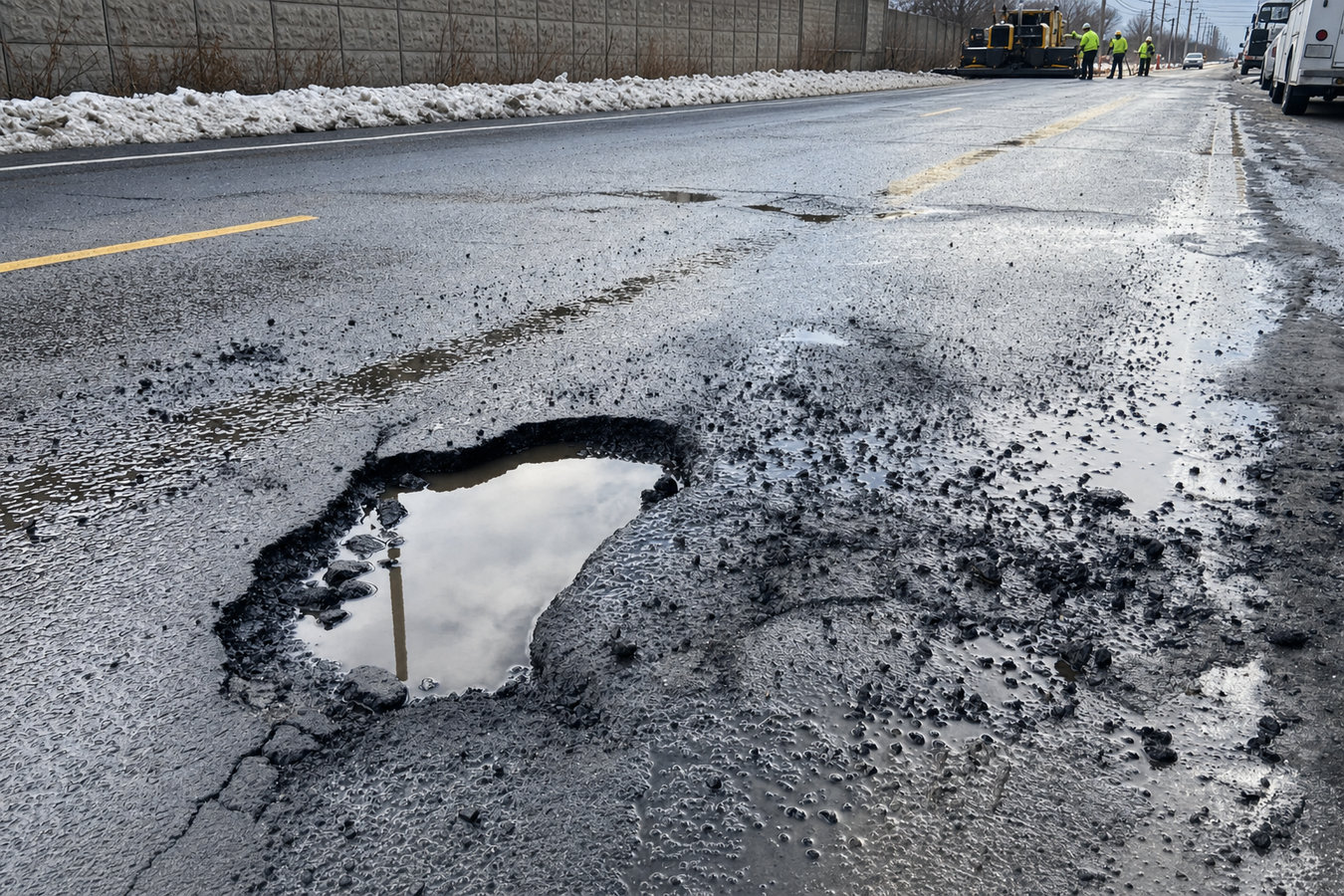
Potholes grow with every vehicle that crosses them and every rainstorm that soaks in. We cut clean, fill with hot-mix asphalt, and compact it flush - repairs that hold through South Bay winters.
Pothole repair in Morgan Hill starts with cutting clean, straight edges around the damaged area, clearing all loose debris, and filling the void with fresh hot-mix asphalt that is then compacted flush with the surrounding surface - most residential jobs are finished in a few hours and can handle vehicle traffic the same day.
The difference between a repair that lasts and one that crumbles by February comes down to preparation. A contractor who skips the saw-cut edges and fills a ragged hole is setting up a patch that will fail within a season. Here in Morgan Hill, where clay soils shift with every wet-dry cycle and winter rains give water repeated chances to work under your pavement, a correctly done repair is the only kind worth paying for. If your surface has widespread damage beyond isolated holes, a broader asphalt repair assessment will tell you whether patching is still the right approach.
A properly compacted hot-mix patch can handle foot traffic almost immediately and vehicle traffic within a few hours of cooling. You are not waiting days to use your driveway.
The most obvious sign is a hole where the asphalt has broken away and the base material is exposed. In Morgan Hill, these often appear after the first heavy rains of the season, when water that seeped in over the summer finally undermines the surface. Potholes grow with every vehicle that passes over them - do not wait.
Alligator cracking - a web of interconnected cracks that looks like broken glass - is a warning that the surface is about to fail. When those cracked sections start to shift or sink, you are a few rainstorms away from a full pothole. Catching it at the cracking stage is almost always cheaper than waiting for the hole to open.
If you notice a low spot where water collects every time it rains, the base beneath that area has likely already settled or eroded. Morgan Hill's wet winters mean that pooled water has months to work its way deeper into the pavement structure. That low spot is a pothole in progress.
If you feel a noticeable jolt when driving over a section of your driveway or parking area, the surface has broken down enough to affect the ride. Beyond the annoyance, that impact stresses your vehicle's tires and suspension. It is a practical sign that repair is overdue.
We handle pothole repair on residential driveways, commercial parking lots, and private roads throughout Morgan Hill and the South Bay. Every job follows the same standard: saw-cut or milled clean edges, removal of all loose material, a dry hole before any asphalt goes in, and proper mechanical compaction until the patch sits flush with the surrounding surface. For property owners whose surfaces have widespread base failure rather than isolated holes, our full grading and excavation service addresses the underlying ground before a new surface is installed.
Once a patch has cured, many homeowners also ask about sealcoating the entire repaired surface. A full sealcoat blends the patch visually, slows UV breakdown, and closes the microscopic pores that let water seep in during the rainy season. We can schedule both services together or as separate visits depending on what your surface needs.
Best for homeowners with one or more isolated holes on a driveway where the surrounding pavement is still structurally sound.
Suited for property managers and business owners who need to eliminate safety hazards and maintain a presentable parking surface.
Right for situations where a pothole has undermined the base layer and a surface-only fill would fail again within a season.
Ideal for any repaired surface where the homeowner wants to protect the new work and blend the patch with the rest of the pavement.
Morgan Hill does not have freeze-thaw cycles, but the valley floor has something that causes just as much pavement damage: expansive clay soils that swell with winter rain and shrink back in summer. That repeated movement is what undermines base layers and creates potholes here, even on pavements that look fine on the surface. When the rains arrive between November and April, water that finds any opening in the pavement has months to soften the ground underneath. Property owners in Gilroy to the south deal with identical soil and weather conditions, so the same pre-season repair urgency applies there.
The best time to schedule pothole repair in this area is during the dry season - roughly late spring through early fall - when warm temperatures help hot-mix asphalt compact and bond properly. A repair done in dry, warm conditions will hold far better than one rushed in during a cold, wet November. Homeowners in San Martin face the same seasonal timing, and we work there regularly to help property owners get repairs done before the rains close the window.
Tell us the location, rough size, and number of potholes. We reply within one business day and schedule a free on-site estimate - a photo can give a rough picture, but seeing the damage in person lets us assess depth and base condition accurately.
After the site visit you receive a written quote covering scope, materials, and price. If your pothole is actively growing or is a safety hazard, mention that - we can prioritize urgent repairs. No obligation until you approve the work.
The crew cuts or mills clean edges around the damaged area, removes all loose material, and confirms the hole is dry before any asphalt goes in. This preparation is what separates a repair that lasts years from one that crumbles by spring.
Fresh hot-mix asphalt is placed and compacted with a mechanical compactor until the patch sits flush with the surrounding surface. Most driveways are ready for vehicle traffic within a few hours of the patch cooling.
Free on-site estimate, written quote, no obligation. We reply within one business day.
(669) 766-0094We use fresh hot-mix asphalt on every permanent repair, not bagged cold-patch material. Hot-mix bonds properly to the surrounding pavement and compacts to the density needed to handle real traffic loads. That difference is why our patches hold through multiple Bay Area winters instead of loosening after the first heavy rain.
Every repair starts with saw-cut clean edges and complete removal of loose material before any asphalt goes in. This is the step most budget contractors rush or skip, and it is the most common reason patches fail within a season. Skipping prep saves a few minutes on site and costs you a new repair within months.
We work across the southern Santa Clara Valley year-round and understand how the area's clay soils behave through wet and dry seasons. That local knowledge shapes how we assess base depth and whether a surface patch alone will hold - or whether the base needs attention before the asphalt goes down. Potholes that keep coming back in the same spot almost always have a base story underneath.
California requires paving contractors to hold a state-issued license, and you can verify any contractor yourself through the California Contractors State License Board. Hiring a licensed contractor protects you if anything goes wrong and confirms the business has met the state's minimum requirements before showing up on your property.
A pothole repair is a small job with a big consequence if it is done wrong. Every crew we send is equipped to do the prep work correctly, use the right materials, and leave your driveway or parking lot in genuinely better shape than they found it.
When base failure is behind a recurring pothole problem, proper excavation and regrading gives you a stable foundation that surface patching alone cannot provide.
Learn MoreBroader asphalt repair services for surfaces with widespread cracking or damage that goes beyond isolated pothole patching.
Learn MoreCall us today or request a free estimate online - our Morgan Hill crew is booking now and responds within one business day.